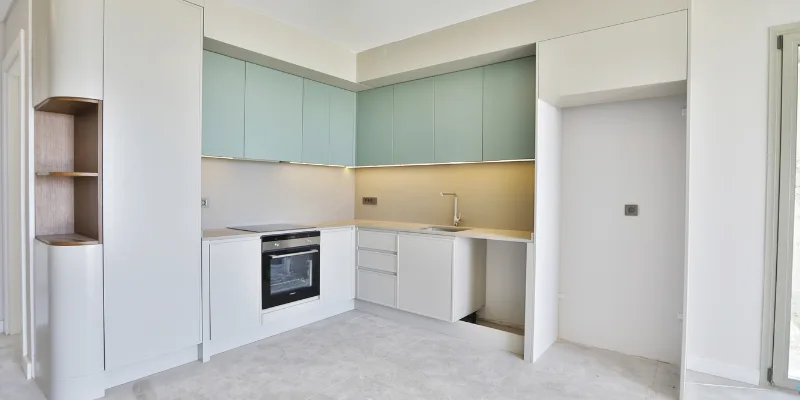
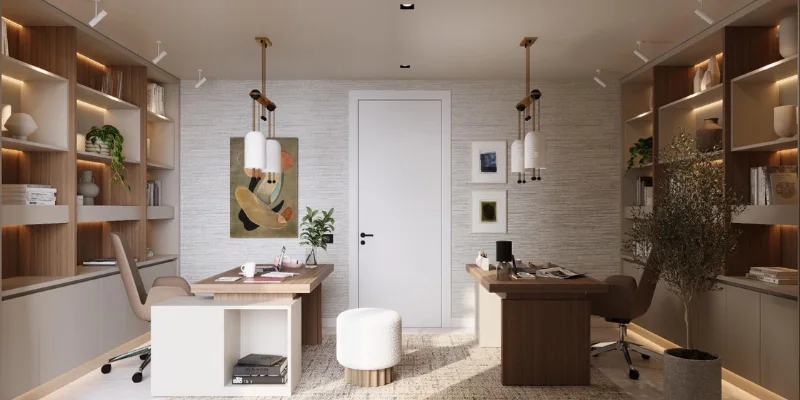
Discovery: build a shared brief
Gather needs, existing dimensions, retained pieces and your intended programme. Photographs and references make discussions concrete. Record points that need technical verification separately. Agree when open questions will be resolved. This makes expectations easier to manage and helps prevent early assumptions becoming manufacturing decisions by accident.
Design: make decisions explicit
Door movements and technical access belong in the design alongside layout, colour and materials. Keep revisions in one current drawing set. At approval, check dimensions, materials, hardware and scope for consistency. A conceptual visual is not, by itself, a manufacturing instruction. Record the approved specification clearly.
Manufacturing: manage changes
Changes to materials or dimensions after approval can affect cost and timing. Record changes and request updated drawings and proposals. Track site readiness alongside manufacturing. Leaving appliance dimensions or technical requirements unresolved until late can create installation problems. A clear change record helps everyone work from the same information.
Installation: review the handover
Review appearance, door and drawer movement, junctions and maintenance access. Ask for use and cleaning instructions. Record outstanding items in a written list if needed. This general roadmap should be adapted to the project; timing and responsibilities need to be agreed for the individual scope of work.