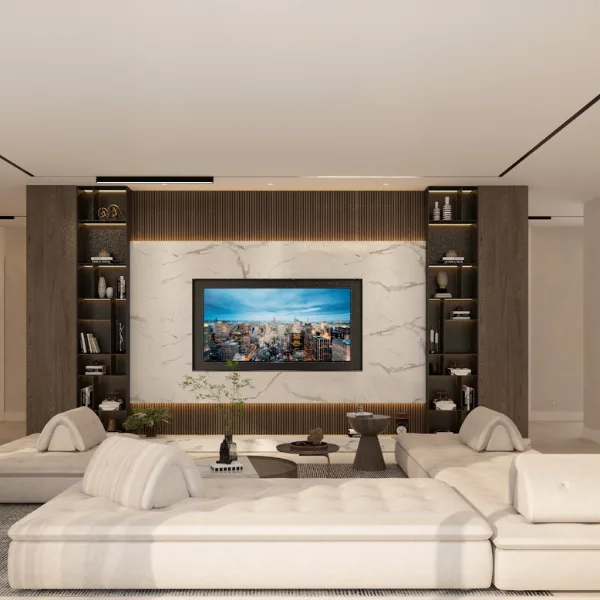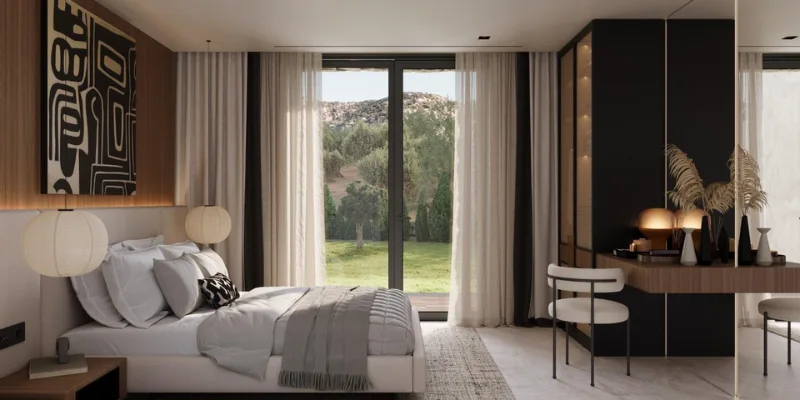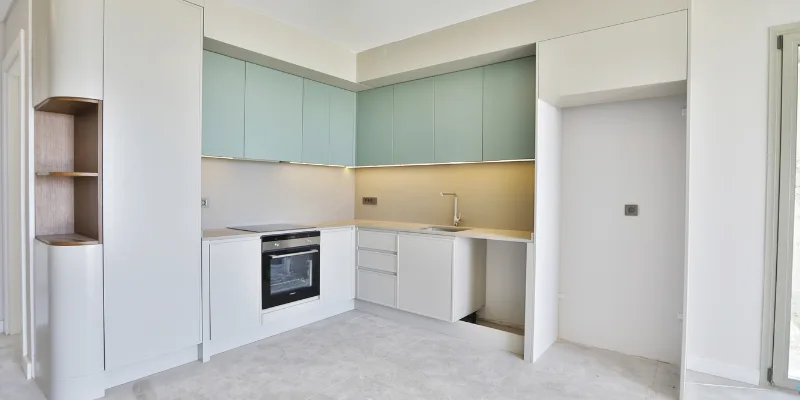
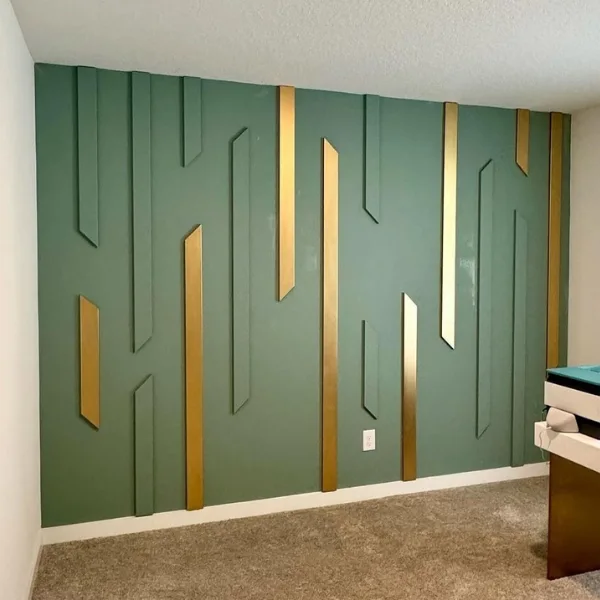
Start with use
A dining table, bathroom cabinet and decorative panel face different conditions. Define water exposure, heat, scratching and intensity of use. Two visually similar surfaces may perform differently. Ask for product names and written specifications; a broad phrase such as wood effect does not explain a material’s construction or suitability.
Understand material construction
Solid timber, natural veneer and decorative-faced boards have different structures. There is no single best option for every use. Size, application, edge details, humidity and maintenance all matter. Natural materials can vary in grain and tone; one sample does not represent every part of a completed piece exactly.
Check lighting and adjacent finishes
A colour can appear different in daylight and warm artificial light. View samples beside flooring, walls and fabrics. Large surfaces have a stronger effect than small samples. Consider reflections on glossy finishes, and handling or cleaning marks on matte surfaces. Assess the composition in the actual room whenever possible.
Make care part of the decision
Ask which cleaning products are suitable. Resistance to damp cleaning, chemicals and high temperatures varies by product. Make sure any regular maintenance fits your habits. Digital configurators help explore ideas; final colour and texture approval should use physical samples and the selected product’s technical information.